An enquiry nobody answered costs you exactly as much as one you did answer. The only difference is that you never saw the first one. Below: how to work out those losses using your own numbers, and what to build so they stop.
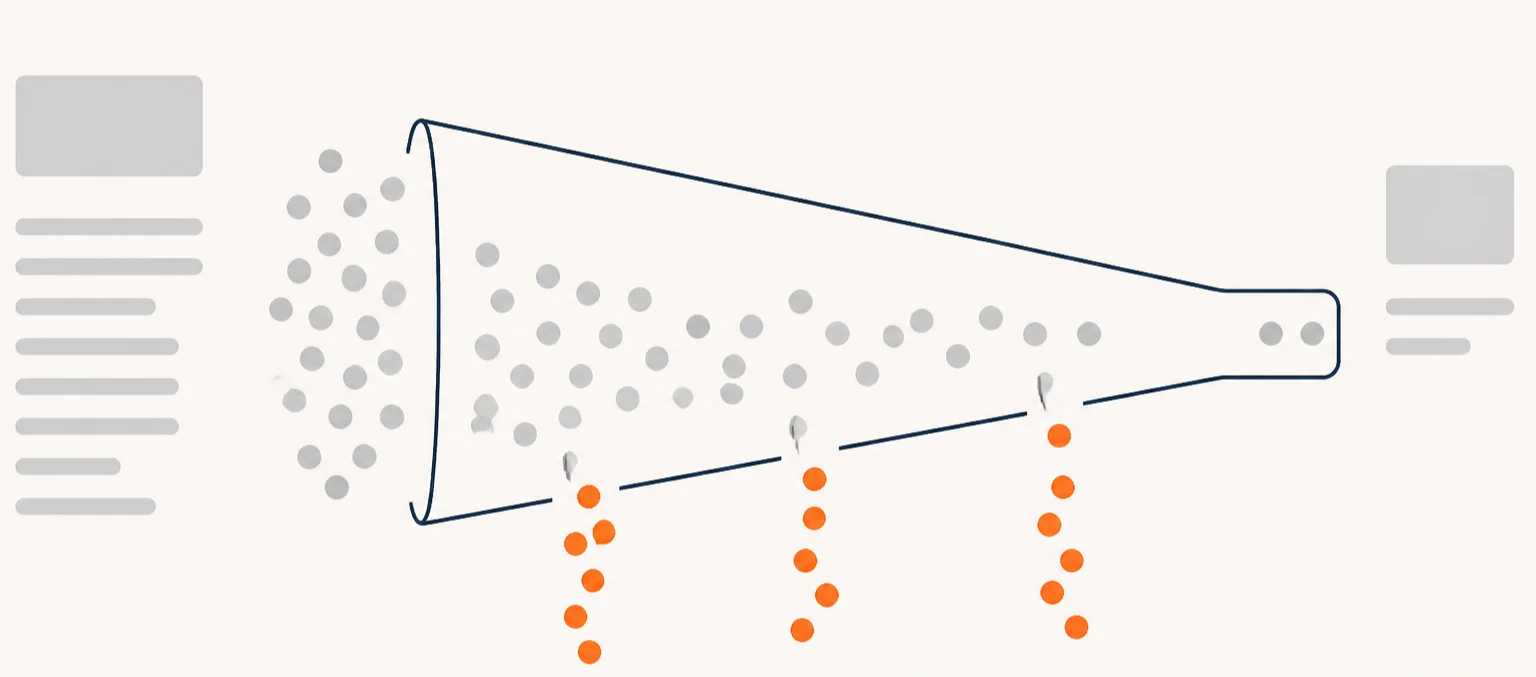
Run the numbers on your own business
Take four figures. You have them all, even if you have never put them side by side.
- Average deal value — what one customer brings in per transaction.
- How many enquiries arrive per month: web forms, emails, messages in messengers, phone calls.
- What share of them turns into payment.
- How many enquiries you did not handle: never saw, forgot, replied to three days later.
That last figure is the unpleasant one, because nobody counts it. And you cannot know it exactly: what was never recorded cannot be measured retrospectively. But you can estimate the order of magnitude — count the conversations that went quiet from your side.
Then the arithmetic is simple: lost enquiries × conversion rate × average deal value. The result is not “opportunity cost” in some abstract sense. It is money you have already paid for, in advertising, time and reputation.
An enquiry costs money the moment it arrives, not the moment you get round to it.
Where exactly things go missing
Technically the losses almost always happen in the same four places.
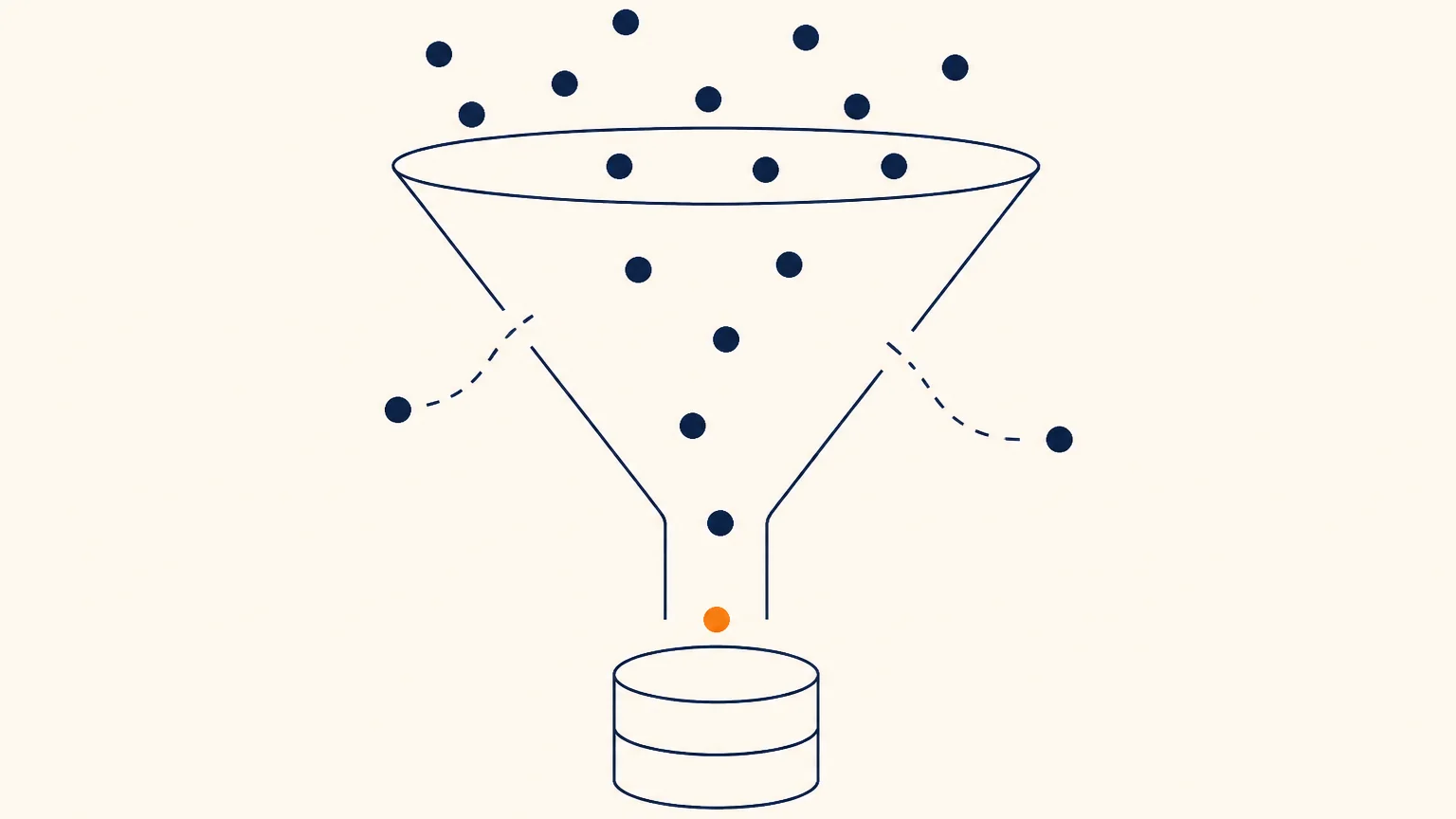
The form sends an email, and the email drowns. A standard web form does one thing: it emails an address. After that it is a lottery. The message lands in spam because the site sends it from somebody else’s name. The address is a shared inbox nobody reads at the weekend. Or the inbox is read, but the message arrives mixed in with hosting newsletters.
Messengers live on their own. A message on Instagram, WhatsApp or Telegram reaches nothing but a phone. If you are driving or on site at that moment, the enquiry stays in a conversation you will “look at this evening”. By the evening there are twenty chats.
A call with no record does not exist. A missed call from an unknown number is an enquiry you will never learn about. Not many people call back.
Nobody owns it. When enquiries arrive in four different places, none of them is *the* place someone is responsible for. The enquiry is not lost through ill will — it simply has no owner.
What a proper route looks like
A well-built system does not demand discipline from you. It is arranged so that an enquiry physically cannot be lost.
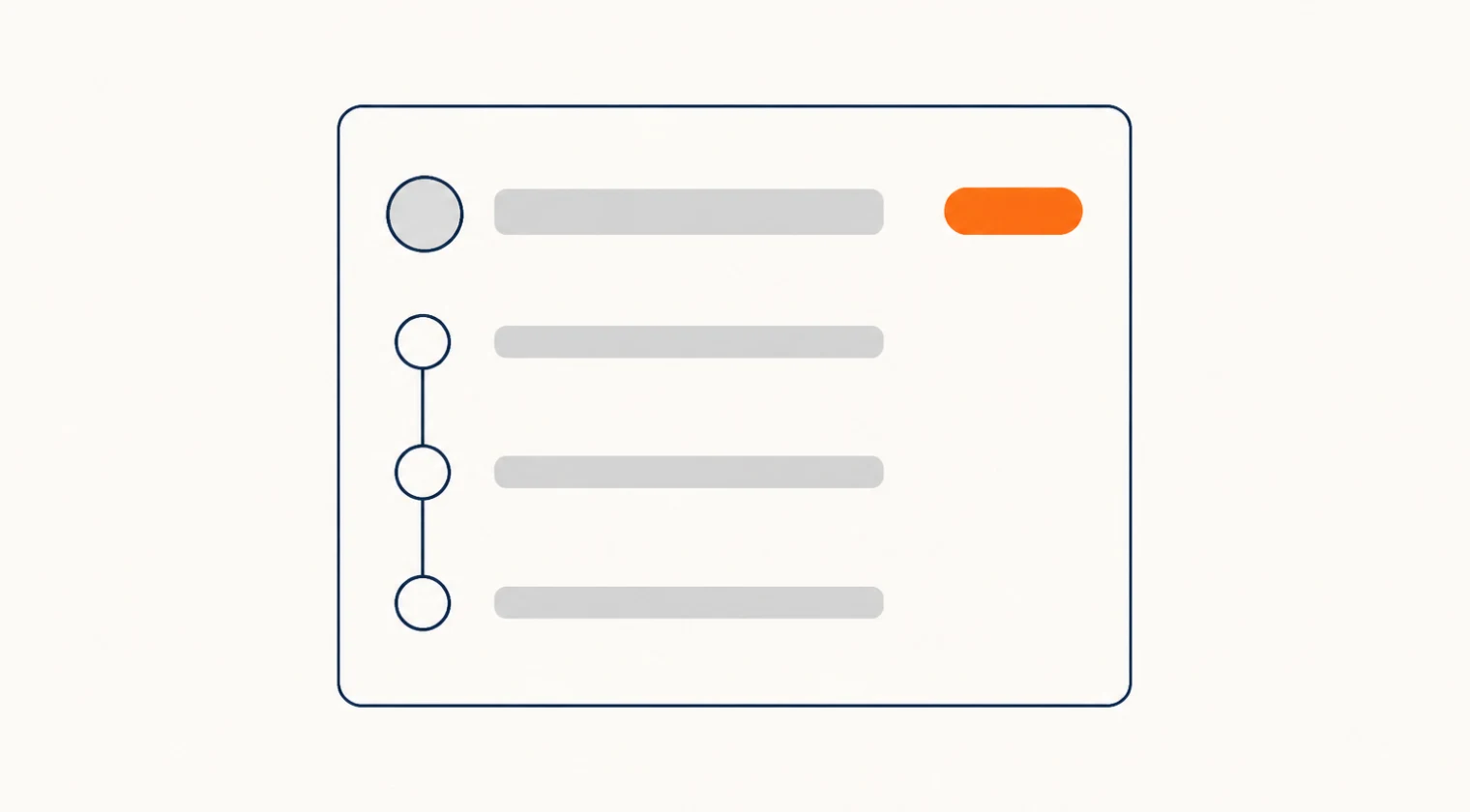
- The form writes to a database, not to an inbox. The enquiry is stored in a CRM — a system where every enquiry has a record, a status and a history. Even if the email fails, the record survives.
- The notification reaches you where you actually are. Not an inbox you open once a day, but a messenger or your phone — with the name, the number and the gist of the request.
- The customer gets an automatic acknowledgement immediately. One short message: “Got it, I’ll reply within a working day.” That settles the person’s nerves and stops them writing to three of your competitors.
- The enquiry has a status. New, in progress, waiting on the customer, closed. A week later you can see what is stuck.
- Messengers feed into one place. Messages from every channel land in the same system as the web enquiries.
What changes in practice
The first thing people discover after connecting a CRM is that there were more enquiries than they thought. Not because the number went up, but because some of them were never recorded anywhere before.
The second is response time. Speed of first reply drives the decision more than price does: someone who wrote to three suppliers usually stays with whoever answered first. An automatic acknowledgement is not a conversation, but it buys you time.
The third is that you stop carrying the process in your head. That sounds trivial right up until you fall ill or go away.
A benefit people rarely plan for: once enquiries live in a system, you have a history. Six months in, you can see which channel brings people who actually pay and which one brings only questions. Until then, advertising decisions are made blind.
A worked example
Take a workshop with an average deal of €400 and twenty enquiries a month. About a quarter convert — five deals, €2,000 in revenue.
The owner reckons he loses “a couple of enquiries”. Once they start being recorded, it turns out there were not twenty but twenty-six: six messenger messages and missed calls had never settled anywhere. At the same conversion rate that is another one and a half deals a month — around €600. Over a year, roughly seven thousand.
The figures are illustrative and yours will differ. What matters is not the sum but the order of magnitude: the losses usually turn out to be not a few per cent of revenue but tens of per cent.
There is a separate cost line: time. Every enquiry you had to hunt for in a conversation thread is a few minutes. Twenty enquiries a month become an hour and a half spent looking for something that should have been in one place.
Where to start if you have nothing
You do not need to build it all at once. The order that pays off fastest:
- Create one place where every enquiry lands. On day one that can even be a spreadsheet, but a CRM is better from the start — migrating later costs more.
- Connect the web form to it. The form must write to the database, not merely send an email.
- Set up a notification in the channel you genuinely read within the hour.
- Add the automatic acknowledgement to the customer. One sentence, no marketing.
- Only then connect messengers and telephony.
The first three steps close most of the leak. The rest is refinement.
If you would like to see how this looks on a real project, have a look at the Automation & AI service — it sets out what such a build includes and how long it takes. And if you are still only wondering whether to change anything on the site at all, start with the seven small things that get you a letter in Germany — cheaper and faster.
Checked on 26 July 2026.